Understanding Industrial Real Estate Management
Industrial real estate encompasses warehouses, distribution centers, manufacturing facilities, flex spaces, and logistics hubs. These properties require specialized management expertise that differs significantly from other commercial asset classes. With the rise of e-commerce and supply chain optimization, industrial properties have become increasingly valuable assets requiring professional management.
THF Leasing, LLC provides comprehensive industrial property management services, leveraging our experience managing over 80,000 square feet of industrial real estate. Our approach focuses on operational efficiency, tenant satisfaction, and asset value preservation.
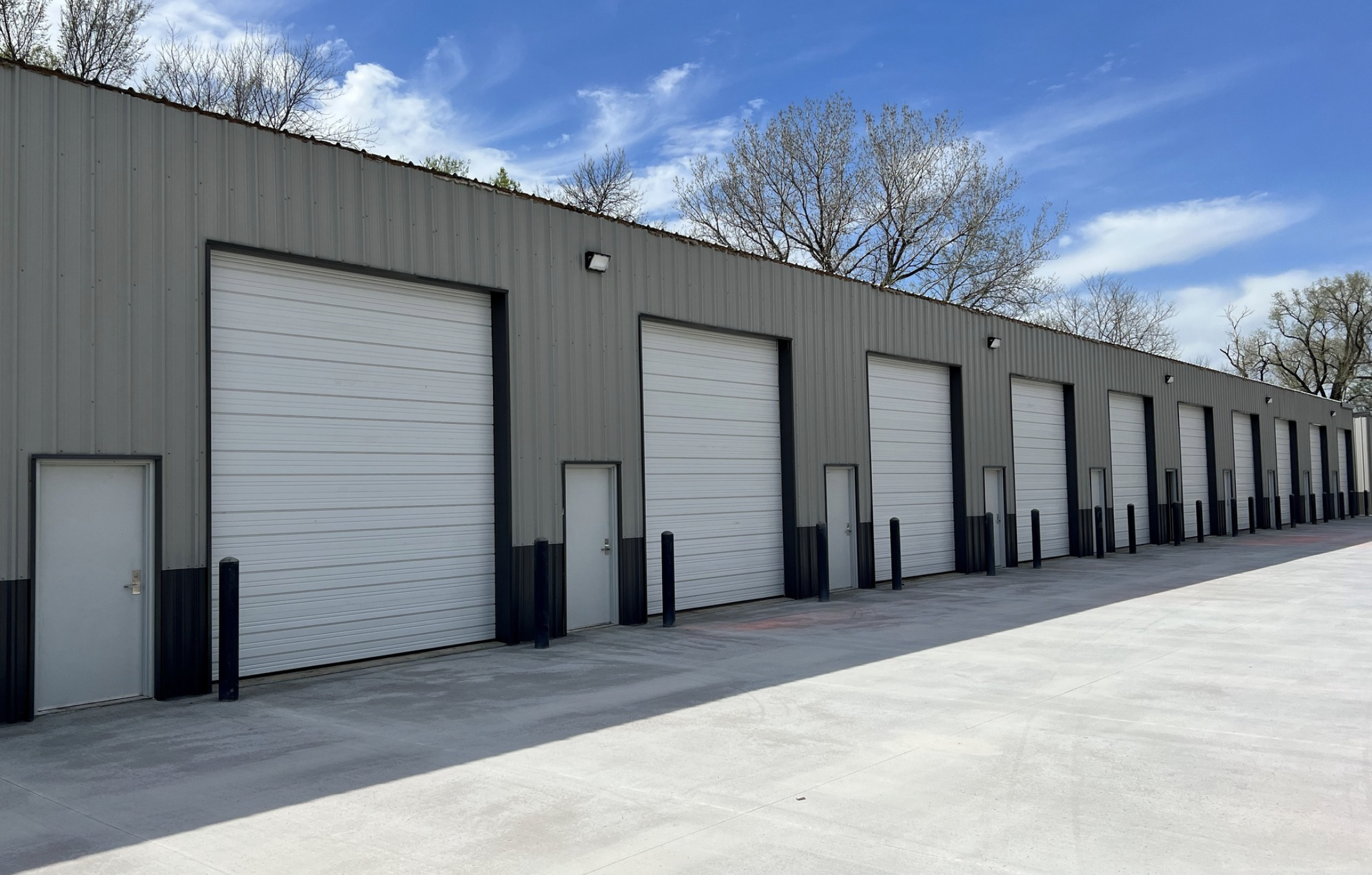
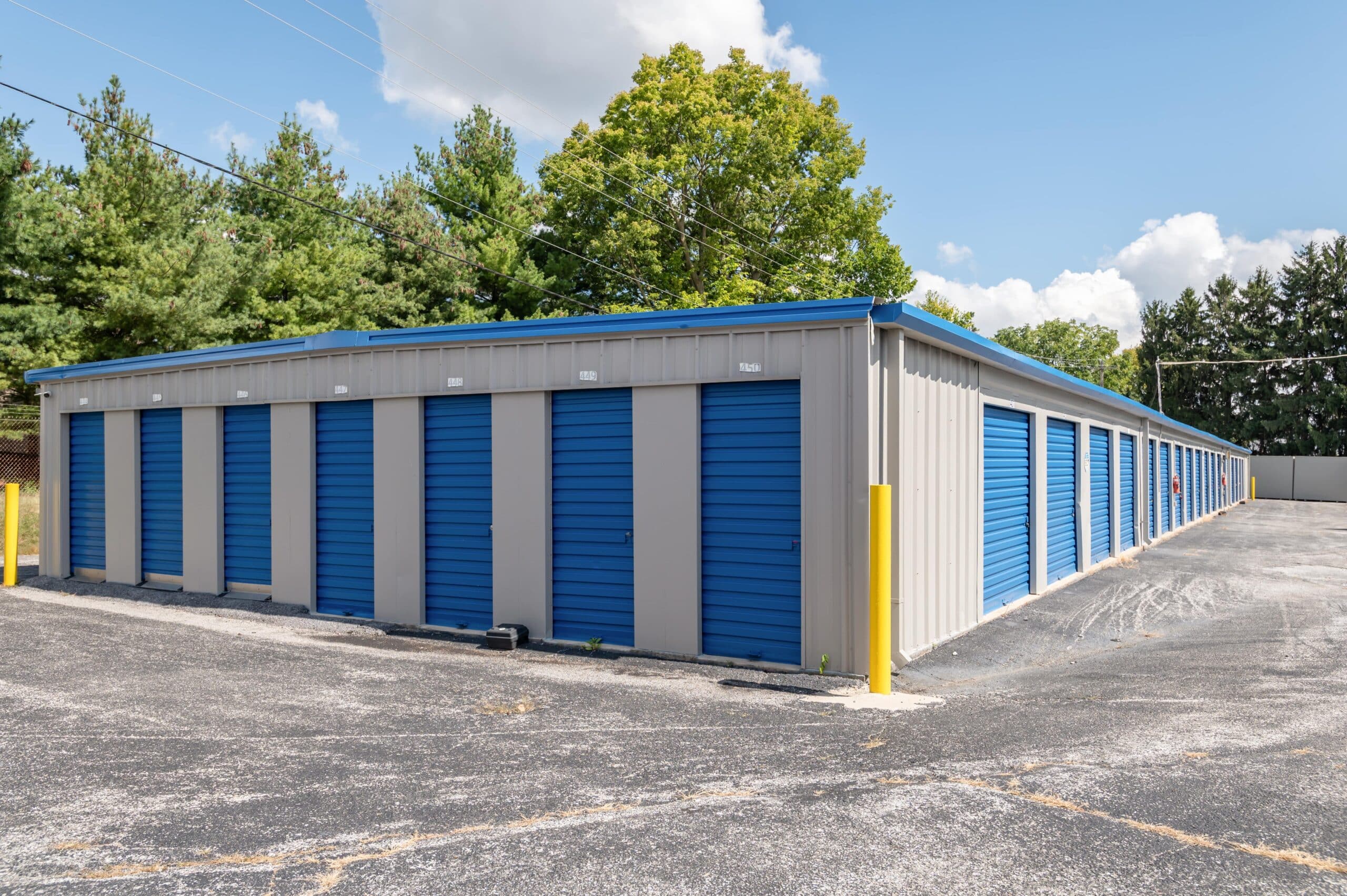
_09252025133215733.jpg)
Essential Components of Industrial Property Management
1. Tenant Relations and Lease Management
Industrial tenants often have complex operational requirements and long-term leases. Effective management includes:
- Lease Administration: Accurate tracking of lease terms, renewals, escalations, and compliance
- Tenant Communication: Regular check-ins and responsive service for operational needs
- Customization Support: Coordinating tenant improvements and facility modifications
- Renewal Management: Proactive lease renewal strategies to minimize vacancy
2. Facility Operations and Maintenance
Industrial facilities require robust maintenance programs to support tenant operations:
- HVAC Systems: Climate control for temperature-sensitive operations and employee comfort
- Loading Docks: Maintenance of dock doors, levelers, and truck access areas
- Roofing Systems: Regular inspections and repairs to prevent leaks and structural issues
- Parking and Paving: Maintaining truck courts, parking areas, and access roads
- Security Systems: Access control, surveillance, and perimeter security
- Utility Management: Monitoring and optimizing electricity, water, and other utilities
3. Financial Management and Reporting
Transparent financial management is crucial for property owners:
- Rent Collection: Efficient processes for collecting rent and common area maintenance (CAM) charges
- Budgeting: Annual operating budgets and capital expenditure planning
- Expense Management: Vendor management and cost control
- Financial Reporting: Monthly statements, variance reports, and year-end reconciliations
- CAM Reconciliation: Accurate allocation and reconciliation of common area expenses
4. Compliance and Risk Management
Industrial properties must comply with numerous regulations:
- Environmental Compliance: Managing hazardous materials, waste disposal, and environmental regulations
- Building Codes: Ensuring facilities meet current building and fire codes
- OSHA Compliance: Maintaining safe working environments for tenants and their employees
- Insurance Management: Coordinating property and liability insurance coverage
- Zoning Compliance: Ensuring property use aligns with local zoning regulations
Types of Industrial Properties We Manage
Warehouses
Traditional warehouse facilities for storage and distribution. These properties require management of loading docks, high ceilings, and efficient space utilization.
Distribution Centers
Large-scale facilities designed for rapid product movement. Management focuses on logistics optimization, multiple dock doors, and high-traffic operations.
Manufacturing Facilities
Properties designed for production operations. Management includes specialized infrastructure support, utility management, and compliance with manufacturing regulations.
Flex Space
Combination office/warehouse facilities. Management balances office amenities with industrial functionality.
The Value of Professional Industrial Property Management
Professional management delivers measurable value to property owners:
- Maximized Occupancy: Strategic leasing and tenant retention programs
- Optimized Expenses: Vendor relationships and cost control measures
- Asset Preservation: Preventive maintenance programs that extend property life
- Risk Mitigation: Compliance management and insurance coordination
- Time Savings: Owners can focus on strategy while management handles operations
Technology in Industrial Property Management
Modern industrial property management leverages technology for efficiency:
- Property Management Software: Comprehensive platforms for lease management, accounting, and reporting
- IoT Sensors: Monitoring systems for HVAC, security, and equipment performance
- Mobile Apps: Tenant portals and mobile maintenance request systems
- Energy Management: Systems to monitor and optimize utility consumption
Common Challenges in Industrial Property Management
Tenant Turnover
Industrial tenants may relocate or consolidate operations. Effective management minimizes vacancy periods through proactive leasing and market knowledge.
Maintenance Complexity
Industrial facilities have complex systems requiring specialized expertise. Professional management ensures proper maintenance of all building systems.
Regulatory Compliance
Industrial properties face numerous regulations. Management ensures ongoing compliance with all applicable laws and codes.
Why Choose THF Leasing for Industrial Property Management
THF Leasing brings specialized expertise to industrial property management:
- Experience managing over 80,000 square feet of industrial real estate
- Understanding of industrial tenant needs and operations
- Comprehensive maintenance and operations management
- Financial transparency and reporting
- Hybrid management model combining efficiency with expertise
- Proven track record of tenant satisfaction and asset preservation
Our hybrid management approach combines remote efficiency with strategic on-site presence, delivering professional results while maintaining cost effectiveness for property owners.